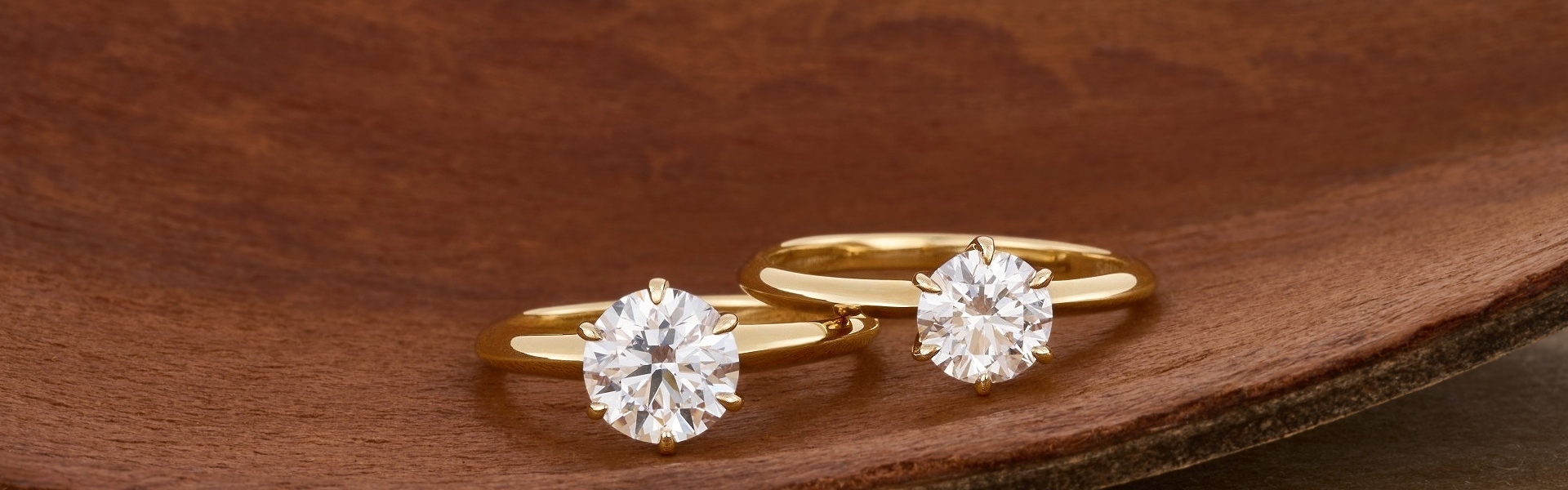
Stop Following the Trend When Buying Necklaces! 3 Practical Tips to Help You Pick the One You’ll Wear Non-Stop
So many people around me only go for viral or popular necklace styles when shopping. But more often than not, the necklace either makes their neck look shorter (like it’s choking them) or clashes with their clothes. In the end, it just ends up collecting dust in a drawer. Actually, picking a necklace isn’t that complicated— the key isn’t about whether it looks good on others, but finding one that “fits you”. Keep these 3 practical tips in mind, and whether you wear it daily or for special occasions, your necklace will enhance your look instead of ruining it.
First, Check Your Neck Shape—It Matters More Than Your Face Shape
Lots of people start by searching “what necklace suits a round face”, but honestly, the shape of your neck has a bigger impact on how a necklace looks than your face shape. A short neck can look cramped if you choose the wrong style, while a long neck can look empty. Figure out your neck’s features first, and you’ll avoid mistakes.
If you have a shorter neck or slightly rounded shoulders, skip chokers that sit tight around your neck— and stay away from overly thick chains too. Try a thin 18-20 inch chain; the length should fall just an inch or two below your collarbone. This leaves a little empty space, which visually lengthens your neck. My best friend has a short neck— she used to wear chokers and always looked like she was being squeezed. But once she switched to a thin princess-length chain, she looked so much more refreshed.
If you have a longer neck or slightly sloped shoulders, don’t go for extremely thin, long chains. They’ll dangle around your neck and leave it looking bare. Instead, try a 16-inch choker-style chain (or a slightly thicker one) with a small pendant— like a pearl choker. This creates a focal point around your neck and balances out the proportions nicely.
If you have neck wrinkles or looser neck skin, avoid short chains that hug your neck— they’ll draw all the attention to your wrinkles. Opt for a 24-inch mid-length chain with a teardrop or long, rectangular pendant. This shifts the focus to the pendant, making your wrinkles less noticeable.
Pick a Necklace Based on Your Outfit—Don’t Let Them “Fight”.
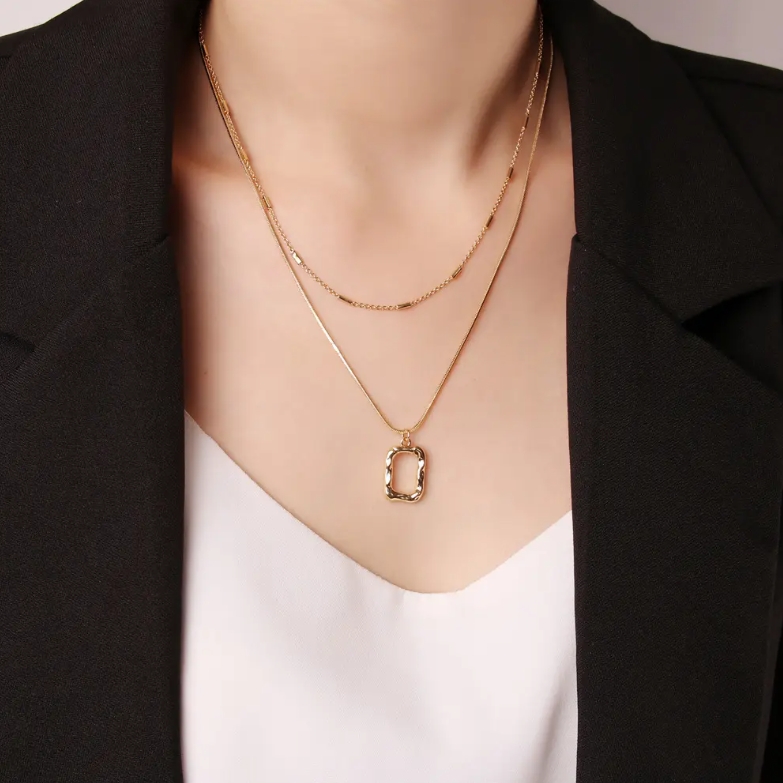
Necklaces aren’t meant to be worn alone; they need to match your clothes.
The core rule here is: figure out where the “focus” of your outfit is. Let your necklace either complement that focus or fill in empty spaces— never let them compete for attention.
If your outfit has patterns or bright colors (like a floral dress or a neon top), don’t choose a flashy necklace. Go for a simple plain chain— like a thin silver or gold chain— with no pendant, or just a tiny, almost invisible one. Let it be a “background piece”. If both your clothes and necklace try to “stand out”, the whole look will feel messy.
If you’re wearing a solid-colored basic outfit (like a white T-shirt, black coat, or gray sweater), your necklace can be the “star”. Pick one with a bit of design— like a pendant with small colored gemstones, or two thin layered chains (one with a pearl, one with a letter charm). Use the necklace to add a touch of elegance to your simple outfit; otherwise, an all-plain look will feel too boring.
If your outfit has a unique design (like puffed sleeves, a ruffled collar, or an open-back style), keep your necklace low-key. Choose a thin short chain— like a 16-inch thin choker— or one with a tiny diamond pendant. A little accent is enough; don’t let the necklace steal the spotlight from your clothes. After all, if the outfit is already eye-catching, an extra necklace will just overcomplicate things.
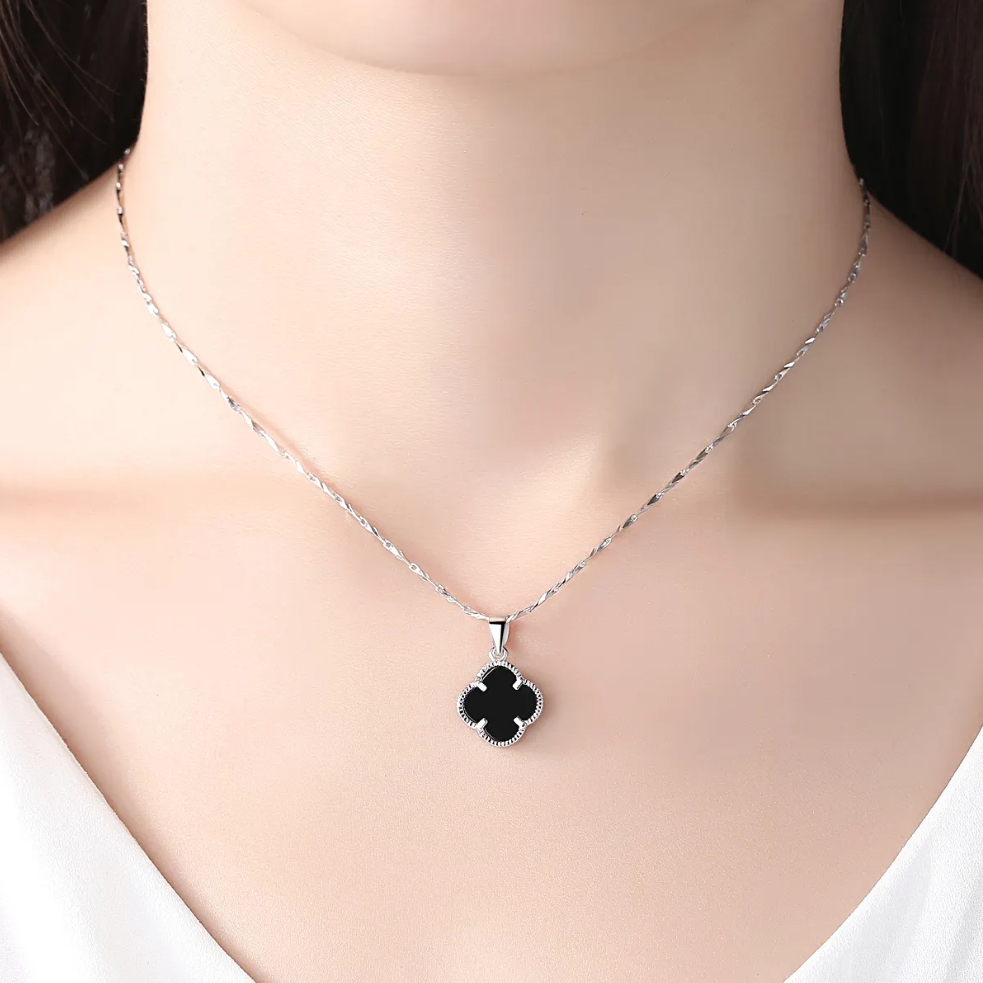
Choose the Material Based on How Often You’ll Wear It—Don’t Just Focus on Looks
Many people only care about how a necklace looks and ignore the material. But then they end up with a piece that tarnishes black after a few wears, or causes an allergic itch. What a waste! Actually, you should pick the material based on how often you’ll wear the necklace— this saves money and ensures it lasts longer.
If you want to wear it every day (as part of your daily look), the material needs to be durable and hypoallergenic. Try a titanium steel chain— it doesn’t rust easily and is affordable. Or an 18K gold chain— it’s hard-wearing and won’t deform easily. Gold-plated silver works too; it’s more resistant to tarnish than pure silver, making it perfect for daily use. For pendants, go for moissanite, freshwater pearls, or agate— they’re scratch-resistant and still look nice after years of wear.
If you’ll only wear it occasionally (like for dates or friend gatherings), you can choose a more delicate material that looks great. For example, a pure silver chain with a pearl or small gemstone pendant— it’s pretty and not too expensive. Or a gold-plated chain— there are tons of styles to choose from. Just remember to wipe it clean with a soft cloth after wearing it, and store it in a sealed bag to prevent tarnishing.
If you need it for special occasions (like weddings or dinners), the material should feel high-quality enough to elevate the moment. Try an 18K gold chain with a small diamond pendant, a South Sea pearl necklace, or a platinum chain with a ruby pendant. These materials have a natural luxury to them— they’ll boost your elegance, and you can reuse them for other important events later. It’s not a waste at all.
Honestly, picking a necklace doesn’t require overcomplicating things. You don’t need to compare endless guides or envy other people’s viral styles. Just take a look at your neck shape, think about the clothes you usually wear, and choose a durable material. With a little thought, you’ll quickly find that “necktie you never want to take off”. It doesn’t need to be expensive or fancy— as long as it fits you, it’ll become the sweetest little detail in your outfits.
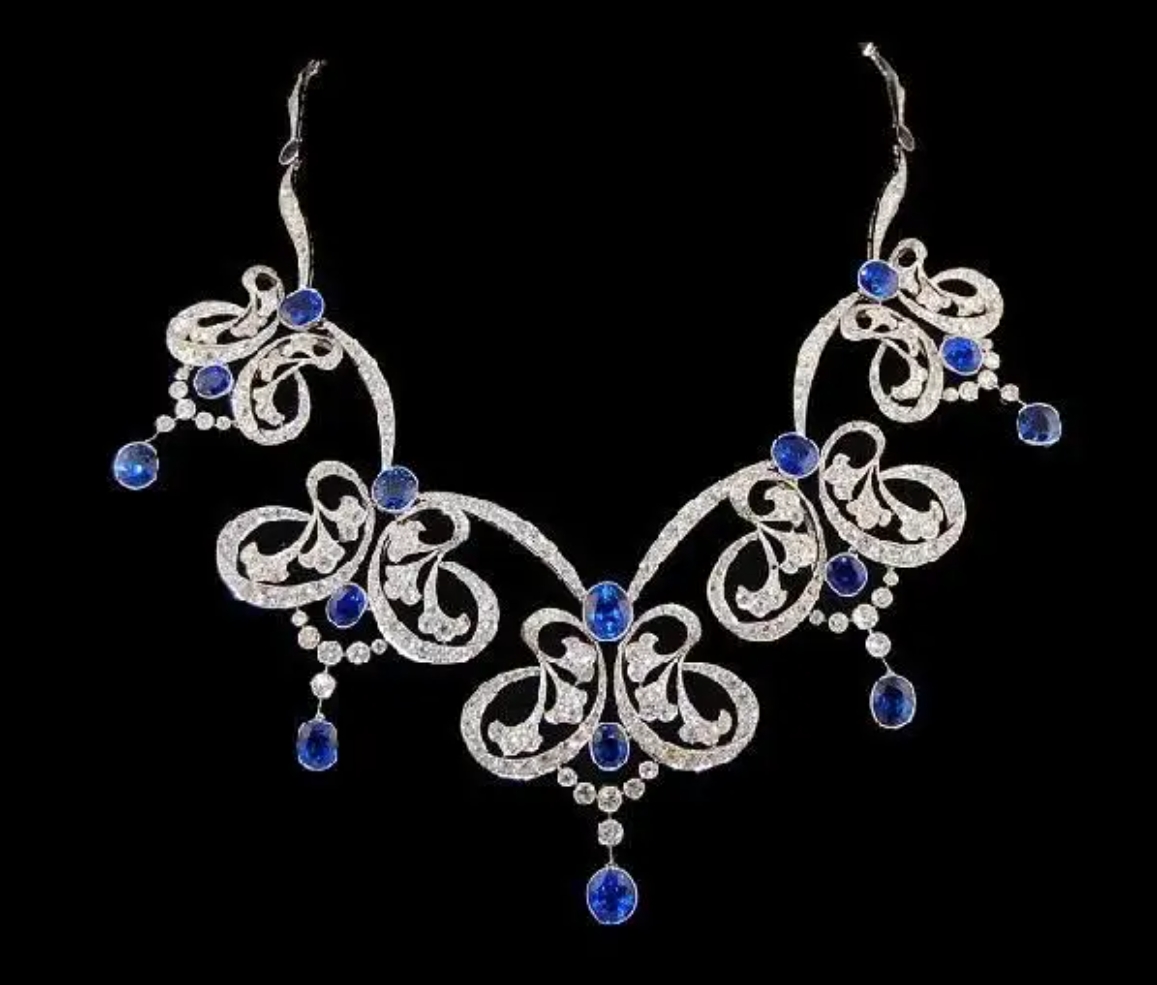
Previous:Women and Jewelry: A Timeless Bond
Send Inquiry



X
We use cookies to offer you a better browsing experience, analyze site traffic and personalize content. By using this site, you agree to our use of cookies.
Privacy Policy