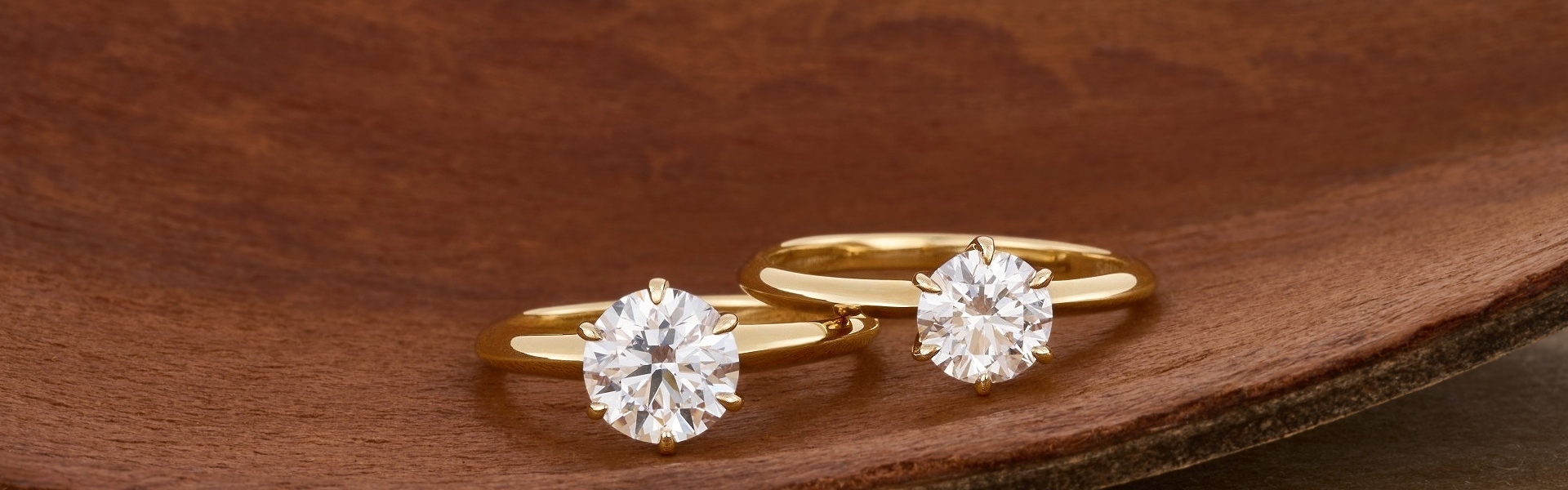
Ruby and Sapphire: Gems That Captivate
It’s hard to think of gemstones that stir the heart quite like ruby and sapphire. These two favorites share a common mineral core—both are types of corundum—but their totally unique colors and vibes make each one feel like its own treasure. Let’s break down what makes them so captivating: the stories they’ve carried through time, the little details that make each stand out, and how they’ve worked their way into everything from the jewelry we love to the gadgets we use every day.
Their Historical Spark
For centuries, people grouped ruby and sapphire together—they just looked and felt too similar.It wasn’t until the 1700s that scientists figured out they’re actually different takes on corundum. But long before microscopes and lab reports, these gems were already woven into ancient cultures. In India, rubies weren’t just pretty stones—they were called the “king of gems,” seen as symbols of courage and vitality. Over in Greece and Rome, folks turned to sapphires as protectors; they’d tuck them close, believing the gems chased away bad luck and helped them think straight when things felt messy.
What Makes Each Gem Shine
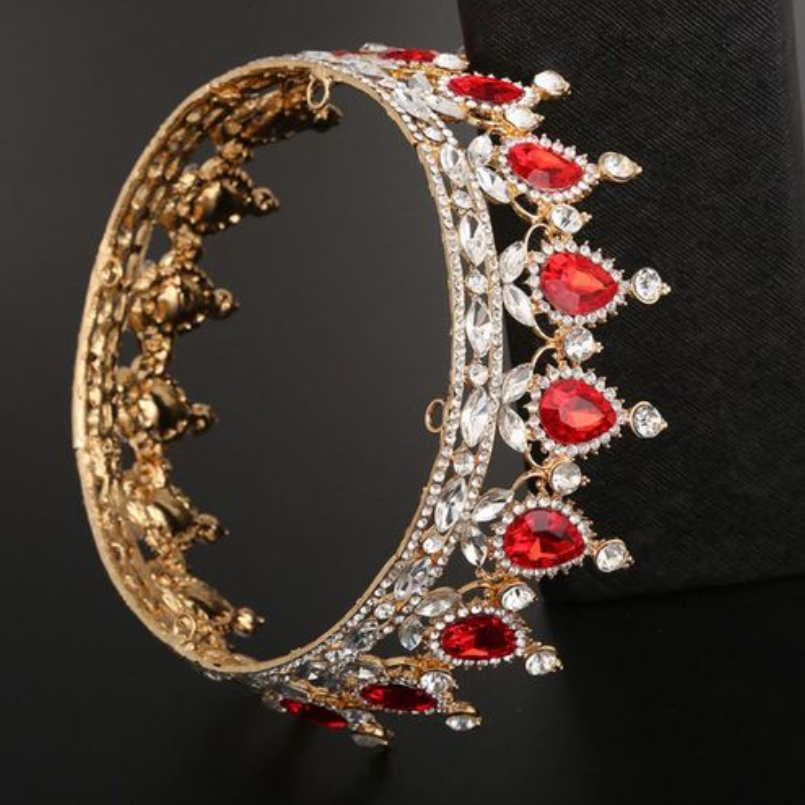
Ruby’s whole appeal boils down to that blazing red. Ever wondered where that color comes from? Tiny flecks of chromium mixed into the corundum crystal. The more chromium, the deeper, richer the red—and the more valuable the ruby. The absolute best ones have that velvety crimson hue, like they’re glowing from within, not just reflecting light. Sapphire, though, is the gem world’s shape-shifter. Sure, that deep, royal blue is what everyone recognizes, but it pops up in soft baby pink, sunny lemon yellow, mossy green, even deep purple. Each shade has a trick to it: blue comes from iron and titanium teaming up, pink from a hint of chromium, and the other colors? A happy mix of those elements playing together.Put color aside, and both gems are tough as anything. They hit a 9 on the Mohs hardness scale—only diamonds are harder. That means they’re total workhorses for daily wear. Whether it’s an engagement ring you slap on first thing in the morning or a necklace you forget you’re wearing, ruby and sapphire don’t scratch or chip easily. Unlike softer gems, say opal or turquoise, you don’t have to tiptoe around them.
More Than Just Jewelry
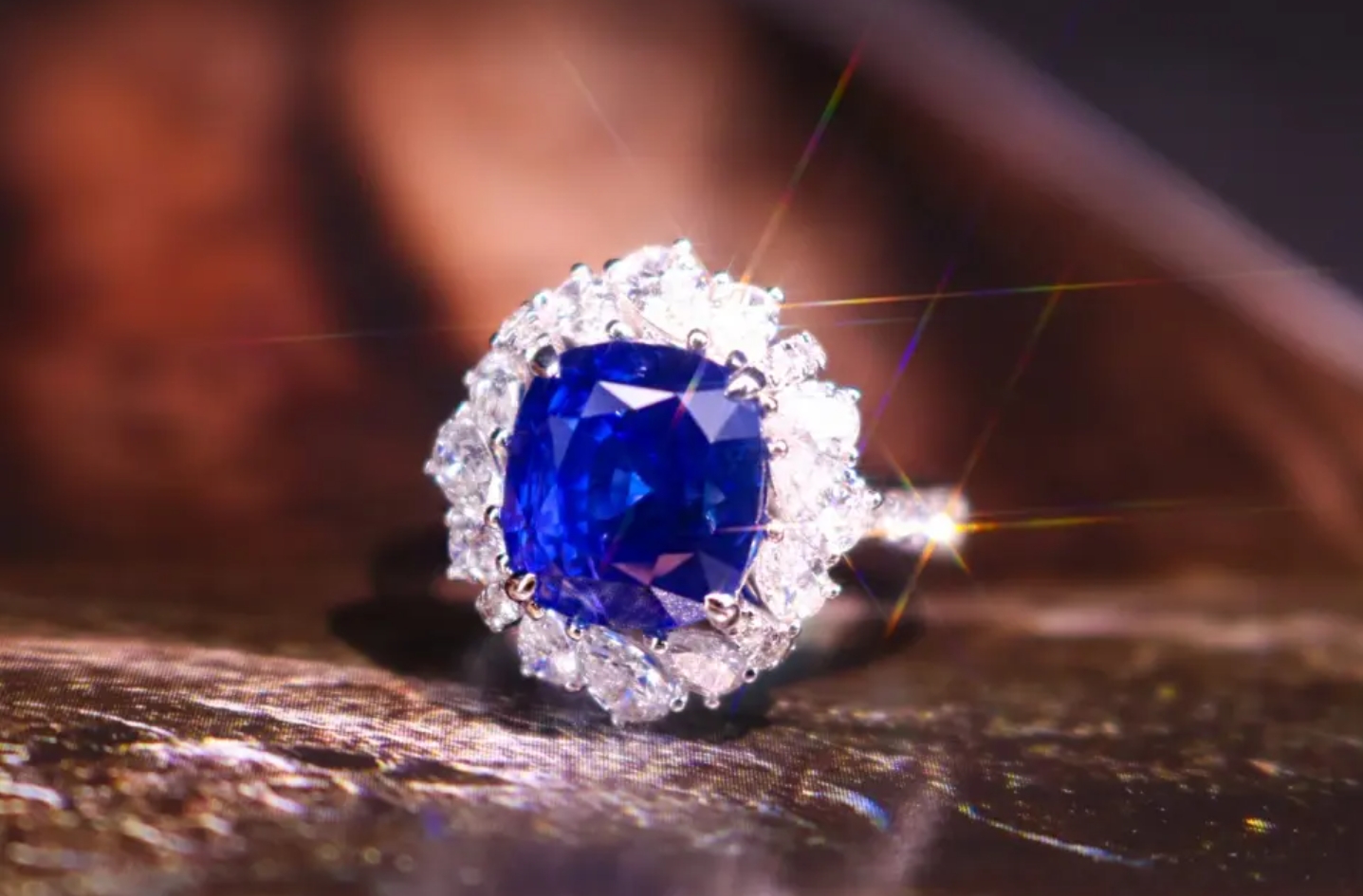
Naturally, their beauty makes them superstars in jewelry. The finest rubies often end up in one-of-a-kind rings, pendants, and earrings—pieces that get handed down from grandma to mom to kid. Blue sapphires are just as loved; think about Princess Diana’s engagement ring— that deep blue didn’t just look stunning, it turned into a symbol of grace that’s still copied today.But these gems aren’t just for dressing up. Lab-grown sapphire—made to be just as tough as the natural stuff—has become a hero in tech. It’s scratch-proof and durable, so it’s perfect for watch crystals (no more annoying scratches on your favorite timepiece), smartphone camera lenses, even heavy-duty tools in factories. Rubies pull their weight too; they can handle really high heat, so you’ll find them in special machine parts where other materials would melt or break.Why We’ll Always Love Them
At the end of the day, ruby and sapphire are more than just rocks from the earth. They’re carrying thousands of years of stories—every shade tells you something about how the planet made it, and how people have held it dear. They mix drop-dead beauty with real, practical use, and that’s why we’re still obsessed with them after all this time. Whether they’re sparkling on a celebrity’s neck at a movie premiere, keeping your phone’s camera safe in your pocket, or sitting in a collector’s display case, these corundum gems always feel special. If you’ve ever even glanced twice at a pretty stone, ruby and sapphire are definitely worth learning more about.
Send Inquiry



X
We use cookies to offer you a better browsing experience, analyze site traffic and personalize content. By using this site, you agree to our use of cookies.
Privacy Policy