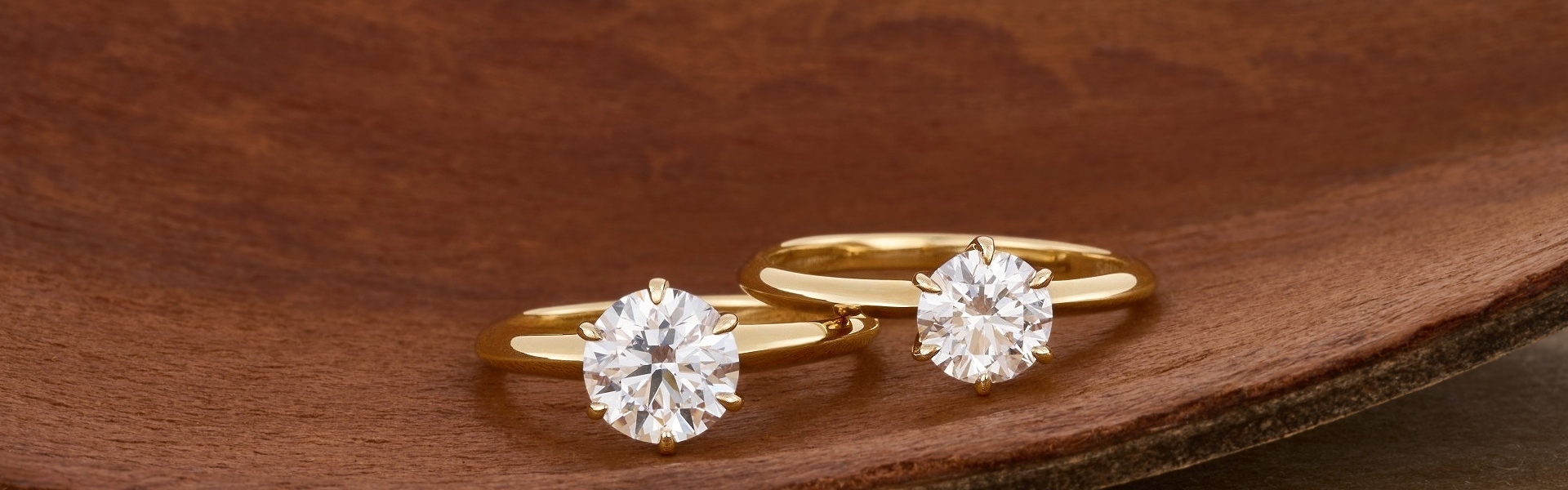
How to Design a Vintage Ring That Feels Timeless
Want to design a vintage ring that has that classic, ageless vibe? It’s all in the little details—from the stone you pick to the style of the band. Every choice adds up to that “bygone era” charm, and helps your ring tell a real story. Here’s how to pull it off, no fancy design degree needed.
1. Start with a Time Period That Speaks to You
Hold up on picking stones or bands—first, zero in on the era that just clicks for you. Do you go gaga for Art Deco’s sharp, bold geometric lines? Or is it the frilly, romantic details of Victorian pieces that make you swoon? Every era’s got its own vibe—Art Deco’s all sleek and glamorous, Victorian’s soft and ornate. Locking down one era keeps your design from feeling all over the place. It’s like planning a party: pick a theme (say, 1920s Gatsby or 1880s romance) and suddenly every decor choice makes sense.
2. Pick a Stone That’s the Star of the Show
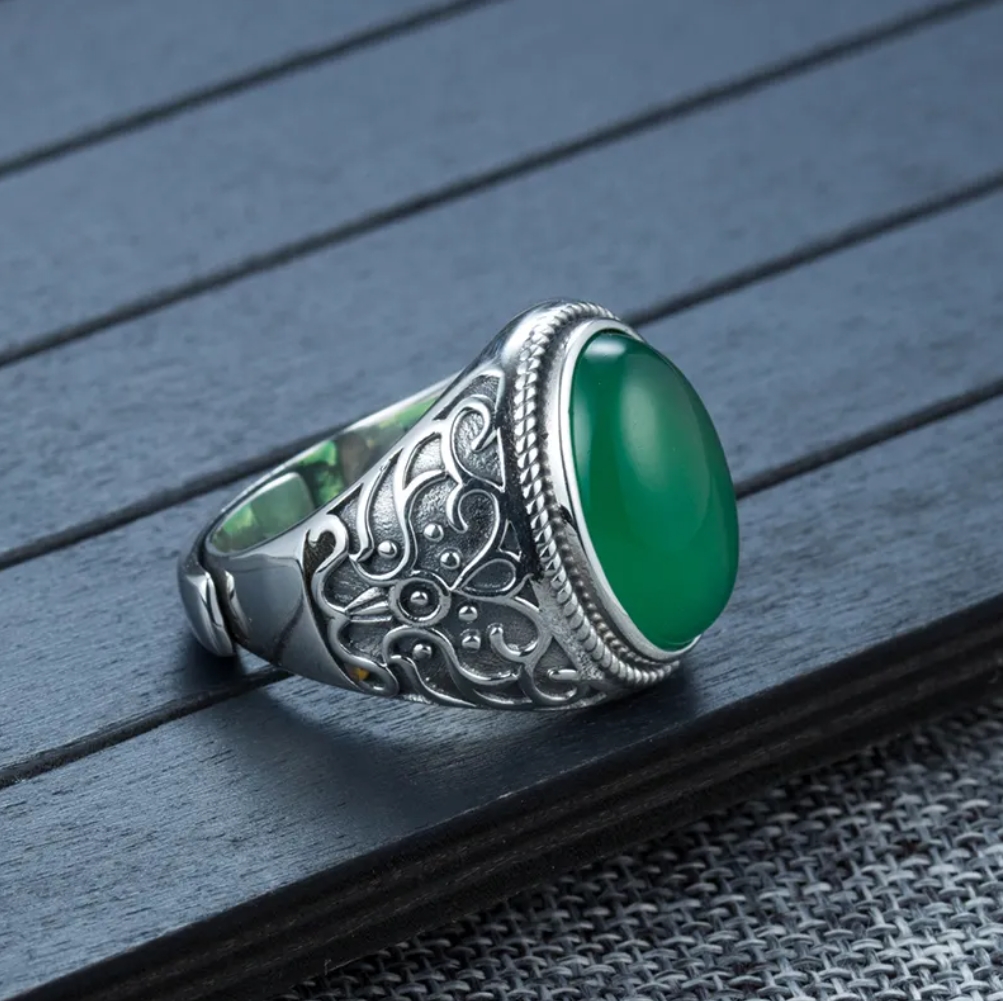
Let’s be real—vintage rings live and die by their center stone. It’s the focal point, so you want to get this right. When you’re shopping around, pay attention to three things: color, cut, and how clear it is. Diamonds are total classics for vintage looks, but don’t sleep on sapphires, emeralds, or rubies—they bring that old-world glamour too, and feel a little more unique.
3. Nail the Band (It’s More Important Than You Think)
The band isn’t just there to hold the stone—it’s part of the vintage magic. Most true vintage rings have bands with tiny, intricate touches: filigree work, delicate engravings, that kind of thing. One style that never goes out of style? The eternity band, where stones wrap all the way around. It was huge in the Art Deco days, and it still feels so classic for vintage designs.
4. Add a Pop of Color (Vintage Loves Personality)
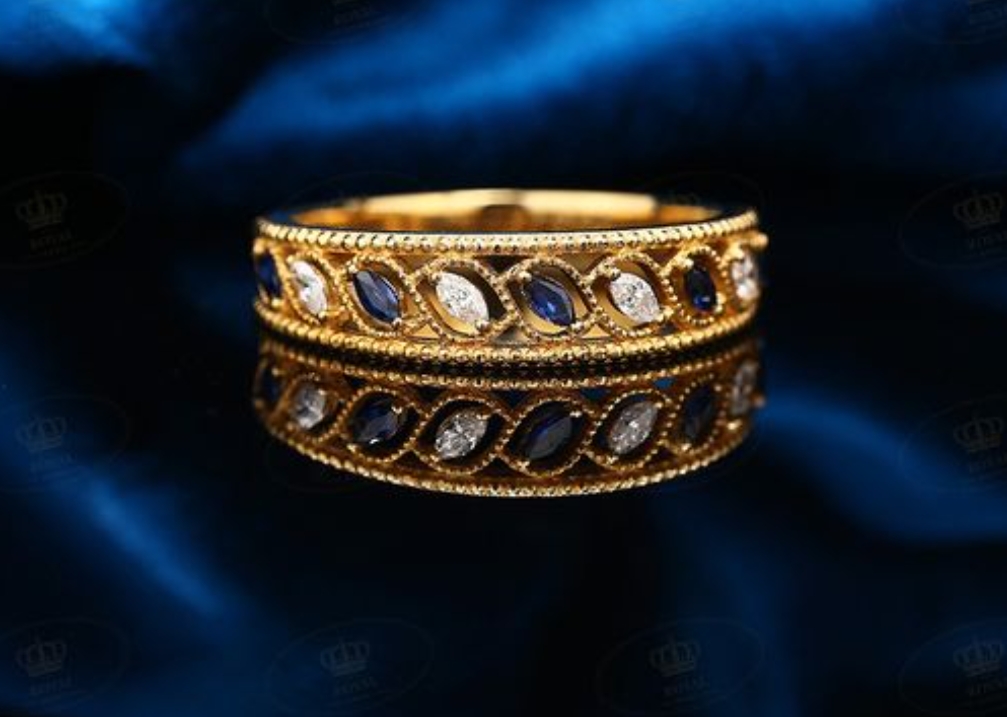
Old-school rings aren’t all plain—they love a little color to make them stand out. Throw in some colored gemstones, either as the main stone or tiny accents along the band. A super popular combo? A colored center stone (think a deep sapphire or rich ruby) with tiny diamond accents. It keeps the vintage feel but adds a fresh twist that works today too.
5. Don’t Overlook the Setting
The setting—how the stone is held in place—matters just as much as the stone itself. Prong settings are total vintage staples (they let the stone shine without covering it up), but bezel or pave settings work too if that’s more your vibe. The key? It should show off the stone beautifully, keep it secure (no one wants a loose gem!), and look like it belongs in the era you’re channeling.
6. Lean Into the Tiny Details—They Make All the Difference
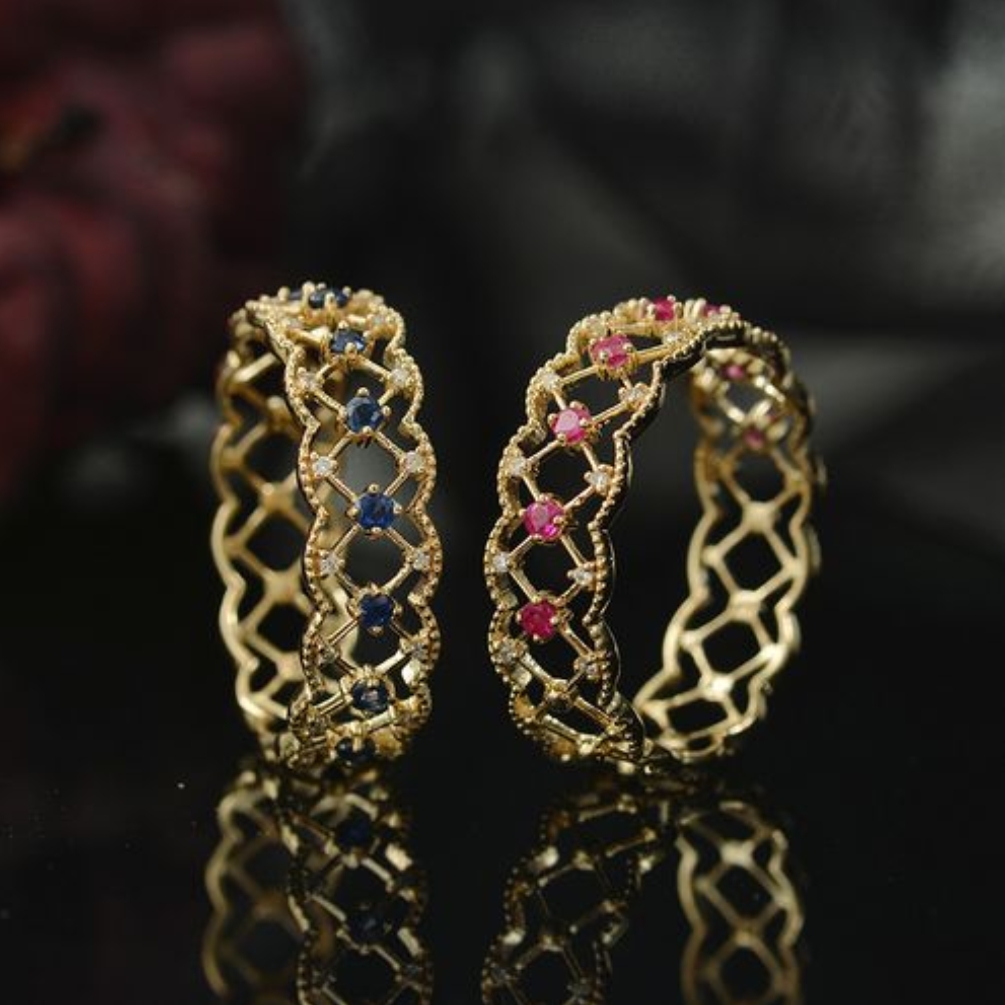
Last but definitely not least: the small stuff. Vintage rings are famous for those little touches that make them feel special—milgrain (those tiny beaded edges), delicate scrollwork, or even tiny engravings inside the band. Adding one or two of these details will take your ring from “nice” to “wow, that feels like a treasure.”
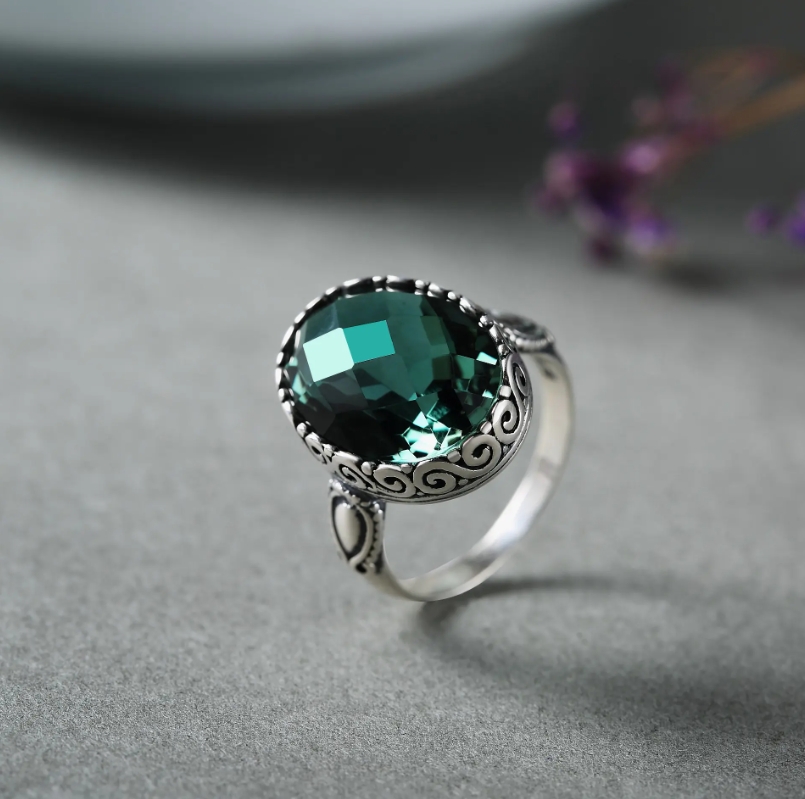
Designing a vintage ring isn’t about rushing—it’s about taking time with each choice. From picking your era to fussing over milgrain, every step adds to that timeless charm. Follow these tips, and you’ll end up with a ring that’s not just pretty, but has real character—something that feels like it’s been loved for decades (even if it’s brand new).
Send Inquiry



X
We use cookies to offer you a better browsing experience, analyze site traffic and personalize content. By using this site, you agree to our use of cookies.
Privacy Policy